Canada’s oil and gas sector is critical for national prosperity
Although oil and gas production may be limited to a handful of provinces, spin-off jobs and economic activity extend far beyond the borders of provinces like Alberta and Newfoundland and Labrador.

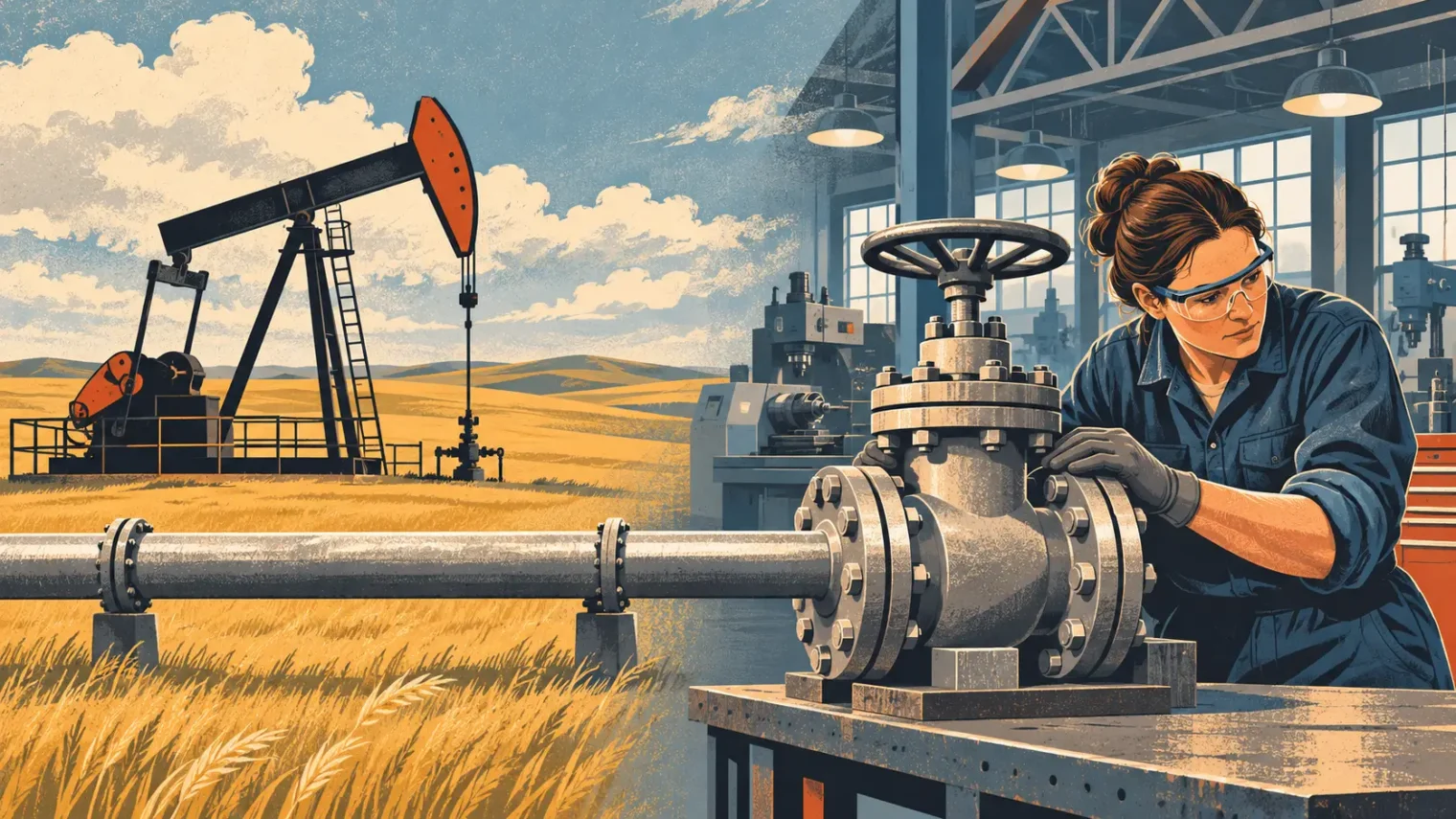
A new study released by the Montreal Economic Institute shows that Canada’s oil and gas sector creates jobs across the country, including in Ontario. Although production may be limited to a handful of provinces, spin-off jobs and economic activity extend far beyond the borders of provinces like Alberta and Newfoundland and Labrador.
In 2025 alone, for example, the oil and gas sector supported 173,900 supply chain jobs outside of Alberta. Indirect employment includes those who are employed in sectors like equipment manufacturing, construction, transportation, engineering, maintenance, and professional and financial services. These are jobs that exist all across the province of Ontario.
As the authors of the study note, there are about 521,500 jobs that exist in Canada today, either directly or indirectly, because of the oil and gas sector. That’s more than the number of jobs that exist in all four Atlantic provinces combined.
It’s tempting for politicians, especially in provinces like Ontario, to try to write off the oil and gas sector. Many politicians from Central Canada have pushed to impose federal laws, like the Trudeau government’s “No More Pipelines” law, that deliberately tried to restrict the sector’s expansion. But politicians and their supporters do so to Canada’s detriment. It’s not just Alberta that loses out when the oil and gas sector doesn’t grow: the entire country loses jobs, economic growth, and the tax revenue that comes with it, which funds the social programs that Canadians rely on.
The MEI study notes that nearly 100,000 workers in Ontario are employed in the oil and gas industry. That’s a lot of Ontarians that depend on such a crucial sector to feed their families, a sector that has been vilified by many politicians hailing from this very province.
"*" indicates required fields
Oil and gas jobs are also high in renumeration. Of the 317 industries for which Statistics Canada publishes average weekly earnings, the highest-paying industry in Canada in 2025 was oil and gas extraction. The higher the income taxpayers earn, the more they pay in taxes, which directly helps to fund the social welfare state. Even those Canadians that aren’t employed in oil and gas benefit from oil and gas jobs, not to mention the royalty revenues that the government brings in.
It total, oil and gas accounts for roughly 3.3 per cent of all Canadian employment. It would be a huge loss to Canada’s economy if politicians were to pursue policies that try to bring extinction to that sector. And yet for a decade under former prime minister Justin Trudeau, that’s exactly what happened, with carbon taxes, red tape, and regulation. Prime Minister Mark Carney has lifted some of those policies, but others remain in effect, although some have been watered down. To ensure the sector’s success moving forward, all of the Trudeau era policies that represented an assault on the oil and gas sector must be repealed.
In short, Ontarians shouldn’t fool themselves into thinking that attacks on the oil and gas sector will only impact provinces like Alberta. When the sector is hurting, Canada loses jobs, economic prosperity, and tax revenue. Hundreds of thousands of Ontarians rely on the oil and gas sector for their livelihoods as well. It’s time for Ontarians, and all Canadians, to stand up for the oil and gas sector and call on federal politicians to pursue policies that will unleash Canadian prosperity, not restrain it.